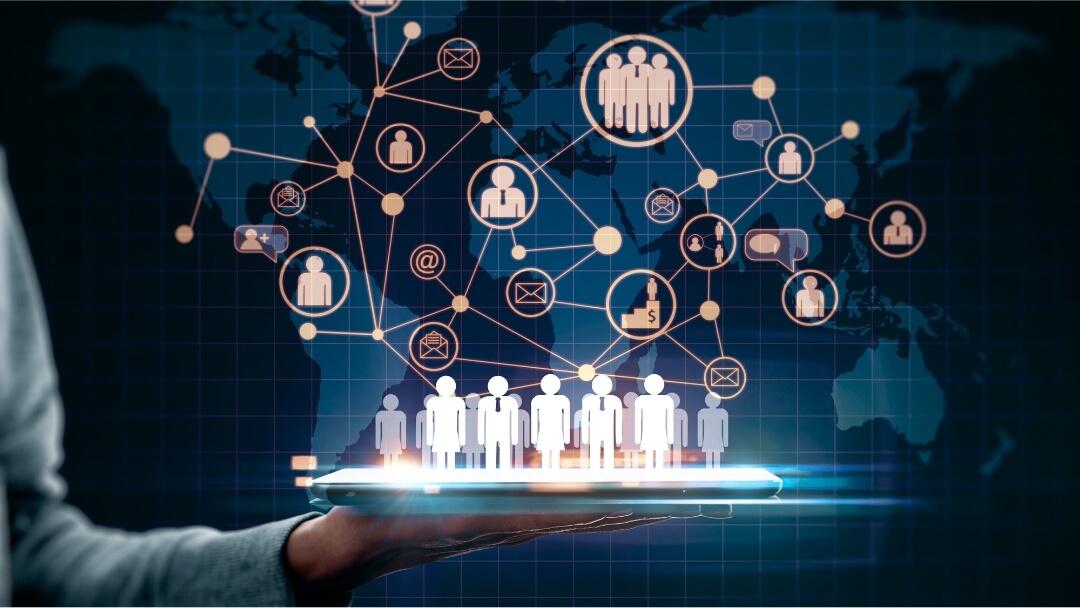
In the rapidly evolving world of healthcare, clinical decision-making has entered a new era—one where human expertise is seamlessly integrated with cutting-edge technology. This transformation is not just about making faster choices; it’s about making smarter, more accurate, and data-driven decisions that improve patient outcomes while optimising healthcare resources.
1. Artificial Intelligence (AI) and Machine Learning (ML)
AI-powered algorithms are increasingly being used to analyse vast volumes of patient data, from lab results to imaging scans, in seconds. Machine learning models can identify subtle patterns that might be missed by the human eye, aiding in the early detection of diseases such as cancer or cardiovascular disorders. Tools like predictive analytics allow clinicians to anticipate complications before they occur, enabling proactive intervention rather than reactive treatment.
2. Clinical Decision Support Systems (CDSS)
Modern CDSS platforms integrate directly with Electronic Health Records (EHRs) to provide real-time, evidence-based recommendations at the point of care. Whether it’s suggesting the most effective antibiotic based on a patient’s allergy history or flagging dangerous drug interactions, CDSS helps ensure that every decision is backed by the latest clinical guidelines and research findings.
3. Genomics and Precision Medicine
Advancements in genomic sequencing have made it possible to tailor treatments based on a patient’s genetic profile. This personalised approach allows for more targeted therapies, minimising side effects and improving success rates. For example, in oncology, genomic testing can help determine the most effective chemotherapy regimen for a specific tumour type.
4. Big Data and Predictive Analytics
Healthcare systems are harnessing big data to predict trends, improve diagnoses, and allocate resources efficiently. Predictive analytics can model the likelihood of readmission, forecast disease outbreaks, or optimise treatment pathways for chronic conditions. When integrated into clinical workflows, these insights can significantly improve both patient care and operational efficiency.
5. Telemedicine and Remote Monitoring
The rise of telehealth, coupled with wearable health devices, has brought continuous patient monitoring into mainstream practice. Clinicians can now access real-time patient data from anywhere, enabling timely interventions. Remote monitoring of vital signs, glucose levels, or cardiac rhythms can help detect early warning signs and reduce hospital visits.
6. Augmented Reality (AR) and Virtual Reality (VR)
Beyond entertainment, AR and VR are finding applications in surgical planning, medical education, and patient communication. Surgeons can use AR overlays to visualise anatomy during procedures, while VR-based simulations provide a safe and immersive environment for training medical professionals in complex clinical scenarios.
7. Natural Language Processing (NLP)
NLP technology enables healthcare systems to process and understand unstructured clinical notes, research articles, and patient narratives. This helps bridge the gap between vast textual data and actionable insights, making it easier for clinicians to access relevant information quickly.
The convergence of these technologies is reshaping the way clinical decisions are made, with the ultimate goal of improving patient care, reducing medical errors, and enhancing healthcare efficiency. As this landscape continues to evolve, there is a growing need for healthcare professionals to upskill and specialise in these emerging domains.
This is where platforms like NexaMed play a vital role—helping students gain specialised certifications that prepare them to lead in the future of healthcare technology.